

Why Vaseline Is Safe for Your Skin (Despite What Clean Beauty Claims)

Myth #1: Mineral Oil and Petrolatum Clog Pores and Suffocate the Skin
Fact: They’re Typically Non-Comedogenic and Create a Protective, Breathable Barrier
One of the biggest misconceptions about petroleum-derived ingredients is that they trap bacteria, dirt, and oil in the skin. In reality, highly refined cosmetic-grade mineral oil and petrolatum are non-comedogenic, meaning they won’t clog pores or cause breakouts.
These ingredients form an occlusive barrier, which helps prevent water loss while still allowing the skin to function normally. That’s why dermatologists often recommend petrolatum-based products like Vaseline or Aquaphor for dry, irritated, or compromised skin. My personal favorite is the La Roche Posay Cicaplast Balm.
Myth #2: Petrolatum and Mineral Oil Are Toxic and Unsafe
Fact: Cosmetic-Grade Petroleum Ingredients Are Highly Purified and Safe
Some fear-based marketing claims that mineral oil and petrolatum are contaminated with harmful chemicals or linked to cancer. This myth likely stems from confusion between unrefined crude oil and highly purified, cosmetic-grade versions.
The truth? Cosmetic-grade petrolatum and mineral oil undergo rigorous refining and purification processes to remove any impurities. They are regulated by the FDA, the European Union, and other global health agencies, making them some of the safest, most stable ingredients in skincare.
There is zero scientific evidence linking cosmetic-grade petrolatum or mineral oil to cancer or other health risks.
Myth #3: These Ingredients Are Just Cheap Fillers That Don’t Benefit the Skin
Fact: Petrolatum and Mineral Oil Are Some of the Most Effective Skin Protectants
Some brands market their products as “petroleum-free” to imply that these ingredients are low-quality or outdated. In reality, petrolatum is one of the most effective and well-researched occlusive agents available.
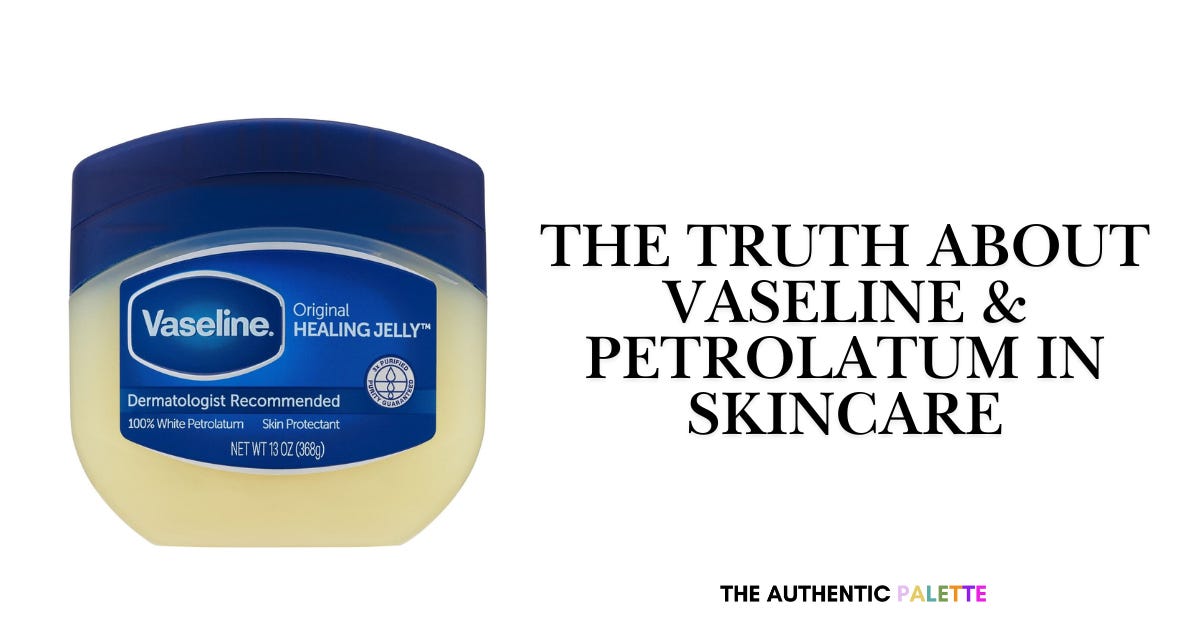
It’s an FDA-approved skin protectant, making it a gold standard for treating dryness, eczema, and wounds. Dermatologists and pediatricians frequently recommend petrolatum-based products for sensitive skin, post-procedure healing, and even baby care. I shared that I had a craniotomy in December and I applied Vaseline over my 36 large stitches on my upper forehead each evening to protect them. Now, 5 weeks later, they are almost all healed.
While brands may push newer, more expensive alternatives, few ingredients match petrolatum’s ability to prevent transepidermal water loss (TEWL) and keep the skin barrier healthy.
Myth #4: Petroleum-Based Ingredients Are Harmful to the Environment
Fact: Petrolatum and Mineral Oil Are Byproducts of an Existing Industry, Making Them Efficient and Sustainable
Some argue that petroleum-derived ingredients are bad for the planet, but they’re actually byproducts of the petroleum refining process—meaning they utilize materials that would otherwise go to waste.
Unlike microplastics, mineral oil and petrolatum are biodegradable and don’t accumulate in the environment in the same way synthetic pollutants do. Additionally, because these ingredients are incredibly stable, products containing them often require fewer preservatives and have a longer shelf life, leading to less product waste over time.
If you’re concerned about sustainability, look for brands that source responsibly and practice ethical manufacturing, rather than simply demonizing petroleum-based ingredients.
Myth #5: Clean Beauty Brands Don’t Use Petroleum-Derived Ingredients
Fact: Many “Clean” Brands Use Synthetics That Mimic Petrolatum and Mineral Oil
Some brands avoid mineral oil and petrolatum for marketing reasons, but they replace them with synthetic alternatives that serve the same purpose—sometimes with less efficacy and more irritation potential.
Ingredients like hydrogenated polyisobutene, polybutene, and synthetic waxes are often used in place of petrolatum, yet they function similarly. The irony? Some of these alternatives aren’t as well-studied, aren’t as effective at preventing moisture loss, and sometimes cause sensitivity reactions.
So, if a product boasts about being “petroleum-free,” check the ingredient list—you might just find a lab-made alternative that’s doing the exact same job.
The Bottom Line: Petroleum-Derived Ingredients Are Safe, Effective, and Backed by Science
Mineral oil and petrolatum have been unfairly demonized by fear-based marketing, but the science is clear: They’re unlikely to clog the pores, highly effective for skin barrier repair, and among the safest ingredients in beauty products.
Instead of falling for misinformation, trust the research and use what works for your skin. Because at the end of the day, science—not marketing spin—should guide our beauty choices.
My Favorite Petroleum Based Occlusives and a Quick Note
I used to fear petroleum-based occlusives. The past decade or so, I’ve embraced them. My dermatologist recommended Vaseline. What are my most favorite occlusives? CLICK HERE FOR THE FULL LIST.
One of my favorites was used by my grandmother, a devoted Elizabeth Arden skincare user and Estee Lauder makeup and EL White Linen fragrance fan. She used Elizabeth Arden Eight Hour Cream religiously. She used to put it in little white jars and labeled them “Soothing Balm” and if someone had windburn or cracked skin, she would send us home with a little jar. I used to hate the “old lady” scent, but I now find it comforting because it reminds me of her.
Quick Note: Vaseline and petrolatum-based products are occlusives, like I mentioned. This means that it is not a sufficient moisturizer. It is ideal to LOCK IN your moisturizer, though!