

Everything You Need to Know About One of the Internet’s Most Popular Skincare Myths

If you’ve been reading my work for the past 19 years that I’ve been writing in this space, you know that I rely on science over scare tactics. But I wasn’t always this way. I used to fall for fear-mongering. I took the Environmental Working Group’s (EWG) Skin Deep Database as gospel. As a new mom who had just lost my dad to cancer, I was desperate to protect my family from anything that could increase our risk.
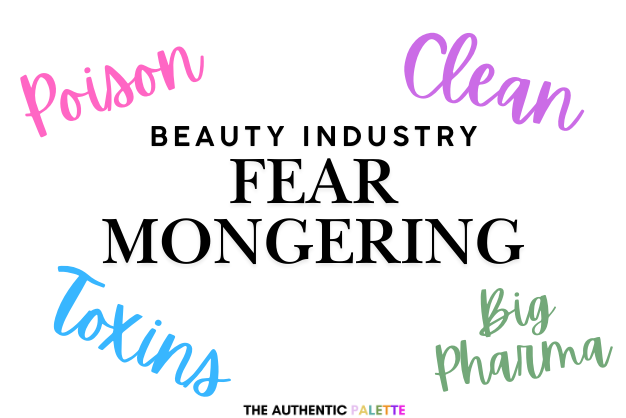
And then I took my blinders off.
I came back down to earth and remembered that evidence and facts are stronger than fear and hysteria. Now, before I express concerns about an ingredient or product, I reference peer-reviewed studies—not dubious sources like Mercola, David “Avocado” Wolfe, Food Babe, or the old Natural News. Because let’s be real: just because your cousin’s friend’s neighbor’s stepmom read something on Facebook doesn’t make it true.
That brings me to today’s topic—a skincare myth that just won’t die.
The Claim: “It Only Takes 26 Seconds for Skincare Ingredients to Enter Your Bloodstream”
You’ve probably seen this floating around in colorful memes or heard it from an MLM sales rep. It sounds scary, right? The idea that whatever you put on your skin is coursing through your veins in under 30 seconds?
Well, good news—this is a complete myth.
To quote the ladies from that old Esurance commercial:
“That’s not how it works! That’s not how any of this works!”
How Skin Actually Works
Your skin is your body’s largest organ, and its primary job is protection. It’s designed to keep things out, not act like a sponge soaking up everything it touches. Here’s a quick breakdown of your skin’s structure:
Epidermis: The outermost layer, acting as a barrier.
Dermis: The middle layer, containing hair follicles, nerve endings, and sweat glands.
Hypodermis: The deepest layer, made of fat that helps regulate body temperature.
For a skincare ingredient to enter your bloodstream, it has to get through all three layers—which is rare.
Penetration vs. Absorption: What’s the Difference?
A major reason why this myth persists is because people confuse penetration with absorption. These are not the same thing.
Penetration: This means an ingredient makes it past the top layers of your skin but does not enter the bloodstream. Most skincare ingredients stay within these upper layers.
Absorption: This means an ingredient has successfully entered the bloodstream. Very few skincare ingredients have this ability, and even when they do, your body has a natural detoxification system to process them.
So, when you apply a body lotion or serum, most of it stays on the surface or penetrates only the top layers of the skin. The molecules of many ingredients are simply too large to go any deeper.
What About “Toxic” Ingredients in Skincare?
Another fear-based claim is that personal care products are full of “toxic” chemicals that will build up in your system and cause disease. But here’s what’s often left out of those conversations:
Your body naturally detoxes. The kidneys and liver filter out unwanted substances, meaning even if something were to enter your bloodstream, it wouldn’t stay there forever.
Dosage matters. We’ve all heard the expression “It’s the dose that makes the poison” — A tiny trace amount of an ingredient isn’t the same as a harmful dose. Even water is toxic in excess.
Not everything penetrates. Ingredients like silicones, mineral oil, and many synthetic compounds sit on top of the skin or get sloughed off as part of your natural skin renewal process.
The Problem With “Clean Beauty” Fear-Mongering
The rise of clean beauty has only fueled these myths further. Brands often claim their products are “free from harmful chemicals” while implying that traditional products are dangerous. But there is no legal definition for “clean beauty.”
This means any brand can slap the label on a product, even if it contains the same ingredients they’re demonizing. Fear-based marketing has led to unnecessary panic over ingredients like parabens (which are actually among the safest preservatives — read more on that in my blog post here) and silicones (which help protect the skin and lock in moisture).
Instead of falling for fear tactics, trust the science. I know it can be easy to fall for marketing buzzwords, but the truth matters.
The Bottom Line
Yes, we should be mindful of what we put on our skin, but we also need to recognize misinformation when we see it. Much of what you read about “toxic” skincare is written by people with zero background in formulation, chemistry, or dermatology.
Listen to EXPERTS, not influencers. Look at credible sources like dermatologists, researchers, and cosmetic chemists—not wellness influencers with an agenda.
Understand how your skin works. Your body is not absorbing your skincare products in 26 seconds. Most of what you apply stays on or near the surface, and anything that does get absorbed is processed by your body’s natural detox system.
Don’t fall for fear-mongering. The beauty industry thrives on making you scared of ingredients so you’ll buy their products instead.
At the end of the day, science matters more than sensationalism—and your skincare routine should be based on facts, not fear.